RRE Draft
Britney Abreu
04/22/2023
RE First Draft
Engl 21002
Female Gender Roles
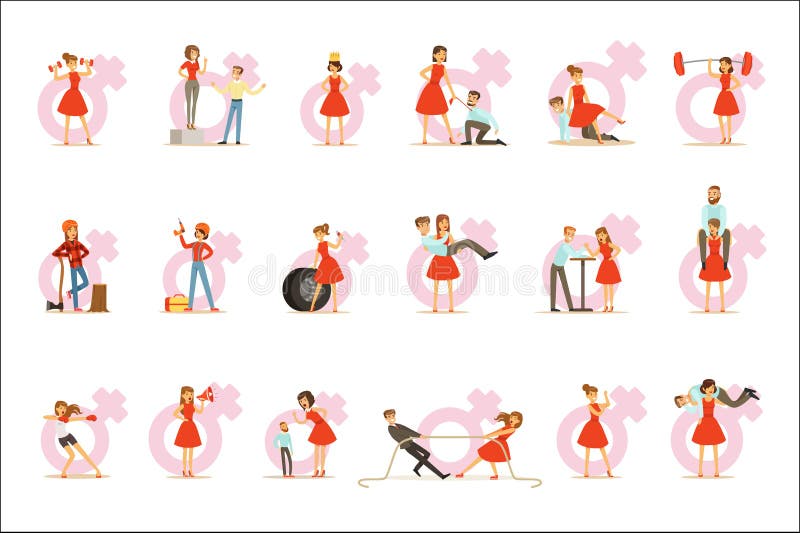
For many years including today’s society, women were considered the “backbone” of their family while the man was considered the “breadwinner”. This wasn’t just a thing in the US but all around the world. Before 1920, women weren’t allowed to vote or work, women were forced to stand back and let the “man” take control of politics, money, etc. Unlike typical man labor, women are paid significantly less and looked passed upon when applying for a job, home, or sports. Sexism against women in the workplace has been a lasting issue for many years and continues to have a significant impact on women today. Despite significant progress in recent decades, women continue to face various forms of discrimination and bias in their professional lives today. In this paper, I’ll be going into detail about how women often experience harassment and microaggressions, such as being talked over or dismissed in meetings, being subjected to inappropriate comments or jokes, or having their ideas and contributions overlooked.
In America, some of the most common forms of sexism in the workplace include mistreatment in a work environment. In the article “A confirmatory study of the relations between workplace sexism, sense of belonging, mental health, and job satisfaction among women in male-dominated industries” Mark Rubin, Stefania Paolini, Emina Subasic, and Anna Giacomini, speak on the issue of women not feeling a sense of belonging due to the fact of workplace sexism and mental health. In the article they state, “Sexism is a pervasive and detrimental force in the workplace. Examples include women receiving unwelcome sexual advances, being touched inappropriately, receiving inappropriate comments about their body or appearance, being exposed to sexist jokes and comments, and being exposed to pornography… For example, following allegations of sexual harassment against Hollywood film producer Harvey Weinstein, women used the #MeToo hashtag in social media descriptions of their own experiences of sexism, many of which took place in the workplace. The hashtag went viral within a few days, with over a million people using it to share their stories of sexual abuse and harassment.” Women in their workplace face difficult things that they don’t all open up about, like the sexual abuse they experience. These experiences can have a profound impact on women’s mental health and job satisfaction, and can also affect their ability to advance in their careers and achieve their goals.
Sexism in the workplace can have a significant impact on women’s mental health. Women who experience sexism at work may feel isolated, stressed, anxious, and or frustrated. They may also experience feelings of being powerless, having self-doubt, and a lack of confidence in their abilities. In the text, “Discrimination, Work Outcomes, and Mental Health Among Women of Color: The Protective Role of Womanist Attitudes” written by Brandon L. Velez, Robert Cox Jr., and Charles J Polihronakis, they spoke on “In studies that examine multiple forms of discrimination, each form tends to be correlated with poor work or mental health outcomes; however, when examined simultaneously, typically only one form of discrimination remains uniquely associated with the outcome. One consideration in assessing sexist and racist discrimination together is that there is substantial overlap in women of color’s reports of these experiences. The proportion of variance shared by sexist and racist discrimination has ranged from 7% to 49% in samples of African American women, Latina women, and women of color broadly.” sexism can be compounded by other forms of discrimination, such as racism and xenophobia, which can create a hostile work environment for women who belong to marginalized communities. The stress and trauma of dealing with sexism and discrimination can contribute to anxiety, depression, and other mental health issues.
The gender pay gap is a complex issue that is influenced by a variety of factors, including gender discrimination, occupational segregation, and unconscious bias. Studies have shown that, on average, women earn less than men in most occupations and industries. This can perpetuate gender inequality and reinforce stereotypes about women’s worth and value in the workplace. On the official site of “The US Department of Labor Blog,” they emphasized “Overall, women are not paid as much as men, even when working full time and year-round. On average, women working full time, year round are paid 83.7% of what men are paid. This inequity is even greater for Black and Hispanic women”. Women are often paid less than men for performing the same job, and they are more likely to work in low-paying occupations such as caregiving and service jobs. Women face challenges in negotiating their salaries and benefits, and they may be penalized for asking for more pay. In the website “Gender pay gap in the U.S. hasn’t changed much in two decades” by Carolina Aragao, they show data on how the growth income for women is increasing compared to a man’s, they discussed, “In 2022, women earned an average of 82% of what men earned, according to a new Pew Research Center analysis of median hourly earnings of both full- and part-time workers. These results are similar to where the pay gap stood in 2002 when women earned 80% as much as men.” Despite progress in the fight for gender equality, women still earn less than men in many industries and occupations, even when they have the same level of education and experience.
Women often face sexism in the workplace, which can take many different forms. Some common examples include Unequal Pay, Gender Stereotyping, Sexual Harassment, Lack of Promotion Opportunities, Microaggressions, and Maternal Bias. How can we stop this from happening? To address the gender pay gap, workplaces need to take proactive steps to promote pay equity and ensure that all employees are paid fairly and equitably for their work. The gender pay gap can have serious consequences for women, including lower lifetime earnings, reduced retirement savings, and increased financial insecurity.
Work Citation:
1. Rubin, M., Paolini, S., Subasic, E., & Giacomini, A. (2019, February 5). A confirmatory study of the relations between workplace sexism, sense of belonging, mental health, and job satisfaction among women in male-dominated industries. Shibboleth authentication request. Retrieved April 27, 2023, from https://onlinelibrary-wiley-com.ccny-proxy1.libr.ccny.cuny.edu/doi/full/10.1111/jasp.12577
2. Velez, B. L., Polihronakis, C. j, & Cox, R. jr. (2018). Discrimination , work outcomes, and mental health amount women of color: the protective role of womanist attitudes. Shibboleth authentication request. Retrieved April 27, 2023, from https://web-s-ebscohost-com.ccny-proxy1.libr.ccny.cuny.edu/ehost/pdfviewer/pdfviewer?vid=0&sid=2ab0be6c-c092-4065-aafe-4324f172470d%40redis
3. Chun- Hoon, W. (2023, March 14). 5 fast facts: The gender wage gap. DOL Blog. Retrieved April 27, 2023, from https://blog.dol.gov/2023/03/14/5-fast-facts-the-gender-wage-gap#:~:text=Overall%2C%20women%20are%20not%20paid,for%20Black%20and%20Hispanic%20women.
4. Aragão, C. (2023, March 1). Gender pay gap in U.S. hasn’t changed much in two decades. Pew Research Center. Retrieved April 27, 2023, from https://www.pewresearch.org/short-reads/2023/03/01/gender-pay-gap-facts/#:~:text=The%20U.S.%20Census%20Bureau%20has,Census%20Bureau%27s%20most%20recent%20analysis

